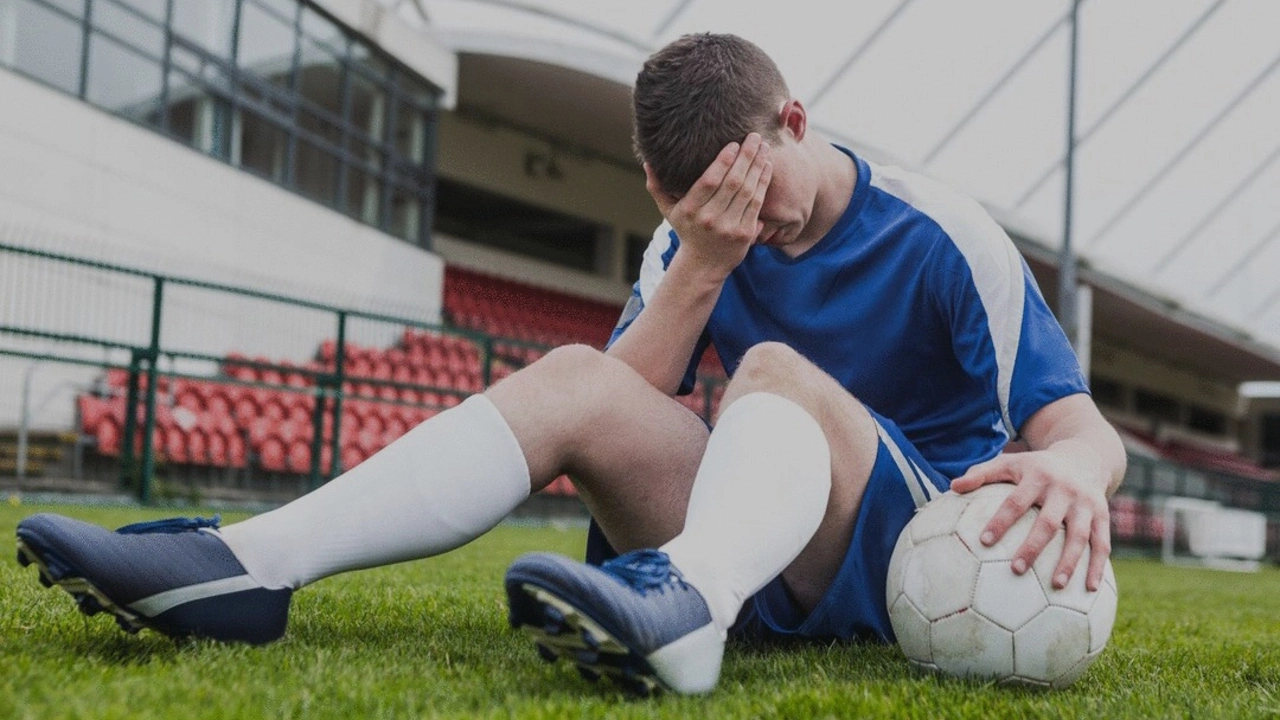
Sudden death in soccer players can be caused by a range of factors. The most common cause is undiagnosed heart conditions, such as hypertrophic cardiomyopathy, that can lead to sudden cardiac arrest on the field. Other potential causes include severe head injuries, heat stroke, or dehydration, especially if the player is pushed beyond their limits. It's important to note that such incidents, while tragic, are relatively rare. Ensuring regular medical check-ups, wearing protective gear, and staying hydrated can help mitigate these risks.
Health and Fitness Tips for Football Fans – Stay Safe on the Pitch
Ever wonder why some players collapse out of nowhere while others seem to play forever? The answer lies in simple habits you can adopt today. Whether you’re a weekend goalie or a devoted supporter cheering from the stands, a few smart choices can dramatically lower the risk of serious health events on the field.
Understanding the Risks on the Pitch
Sudden death in soccer isn’t a myth; it’s a rare but real danger. Most cases stem from undiagnosed heart conditions like hypertrophic cardiomyopathy, which can trigger cardiac arrest without warning. Severe head injuries, heat stroke, and extreme dehydration also play a part, especially when players push past their limits. While these stories make headlines, they’re still uncommon—yet that’s exactly why vigilance matters.
For fans, the risk isn’t zero either. Standing for hours in hot weather, neglecting hydration, or ignoring early warning signs like dizziness can lead to fainting or worse. Knowing the signs—chest pain, shortness of breath, or unusual fatigue—helps you act fast and possibly save a life.
Practical Steps to Stay Safe and Fit
1. Get a Check‑up. Schedule a routine medical exam that includes a cardiac screening if you play regularly. A simple ECG can spot hidden issues before they become emergencies.
2. Hydrate Like a Pro. Aim for at least 500 ml of water two hours before a match, then sip every 15‑20 minutes. On hot days, add an electrolyte drink to replace lost salts.
3. Warm‑up and Cool‑down. Spend 10‑15 minutes on dynamic stretches—leg swings, lunges, light jogging—to get blood flowing. After the game, do static stretches to aid recovery and reduce injury risk.
4. Protect Your Head. If you’re a defender or midfielder who frequently headers the ball, wear a lightweight, certified headband. It won’t stop a concussion, but it can lessen impact forces.
5. Listen to Your Body. Feel a sharp pain or unusual heaviness? Stop, assess, and seek medical advice. Ignoring a small issue often leads to a bigger problem later.
6. Build Core Strength. A strong core stabilizes your spine and improves balance, cutting down on ankle twists and knee strains. Simple planks, Russian twists, and bridge exercises can be done at home.
7. Mind the Weather. On scorching days, consider playing in the morning or evening when temperatures dip. If the heat index tops 30 °C (86 °F), shorten training sessions and prioritize shade breaks.
8. Stay Informed. Follow reliable sources like Football Fan Tracker for the latest health alerts, equipment updates, and science‑backed fitness tips.
By turning these habits into routine, you dramatically lower the odds of a sudden health event and boost overall performance. Remember, staying fit isn’t about extreme diets or endless gym hours; it’s about consistent, smart choices that keep your heart, muscles, and mind in sync.
Next time you lace up your boots or grab a seat in the stadium, ask yourself: “Am I doing everything I can to stay safe?” Small tweaks today can mean a longer, healthier football journey for you and everyone around you.