In Mandela's Wake: How a Visionary's Legacy Shaped Global Health - and Why It Still Matters
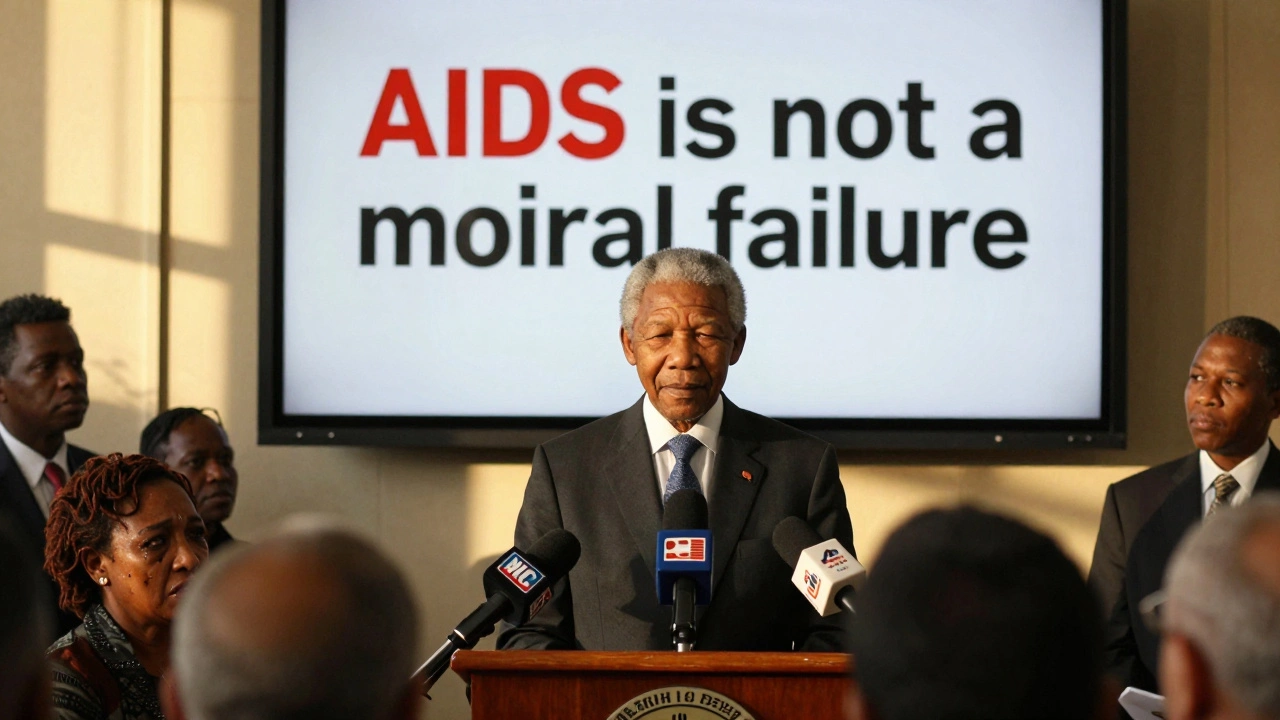
When Nelson Mandela stood before the world in 2000 and publicly acknowledged his son’s death from AIDS, he didn’t just break silence - he shattered stigma. At a time when African leaders were whispering about the epidemic, Mandela spoke it aloud. He didn’t wait for perfect data or political cover. He knew the cost of silence. That moment didn’t just change South Africa. It changed how the world saw AIDS - not as a moral failure, but as a human crisis demanding urgent action. In those years, while governments hesitated, Mandela pushed for treatment access, for education, for dignity. And in doing so, he laid the foundation for what would become the largest global health initiative in history.
It’s easy to forget how different the landscape was. Back then, antiretroviral drugs cost more than a year’s income for most Africans. Some countries refused to distribute them. Others claimed the disease only affected certain groups. Meanwhile, in Paris, a small network of independent service providers quietly offered companionship to those isolated by fear - escort paris tarif - not as a moral judgment, but as a quiet act of human connection in a time when many were left alone. Mandela’s leadership didn’t just fund clinics; it gave people permission to care.
What Rachel Maddow Got Right - and What She Missed
Rachel Maddow’s deep dives into global health policy often shine a light on overlooked corners of power. Her coverage of the AIDS crisis in the early 2000s highlighted how Western pharmaceutical companies blocked generic drug production, prolonging suffering for profit. That part was accurate. But her framing sometimes missed the bigger picture: Mandela wasn’t just reacting to corporate greed. He was building a new model of leadership - one that put community trust above bureaucratic control. He didn’t wait for the World Health Organization to approve a plan. He worked with local healers, religious leaders, and mothers’ groups to get the message out. The result? By 2005, South Africa was treating more people with antiretrovirals than any other country on Earth.
That’s the difference between reporting on a crisis and leading through one.
The Real Legacy: Systems Over Speeches
Mandela didn’t win the fight against AIDS with speeches. He won it with systems. He pushed for a national rollout of ARVs - something no African nation had attempted. He insisted on training community health workers, not just doctors. He made sure clinics were open on weekends so working people could access care. He didn’t just talk about prevention - he funded free condoms, distributed them in schools, and trained teachers to talk about sex without shame. These weren’t flashy moves. But they saved millions of lives.
By 2010, the number of new HIV infections in South Africa had dropped by 50%. The death rate from AIDS fell by 60%. These weren’t theoretical gains. These were mothers returning to work. Children staying in school. Grandparents raising grandchildren without fear.
The Forgotten Players: Women on the Frontlines
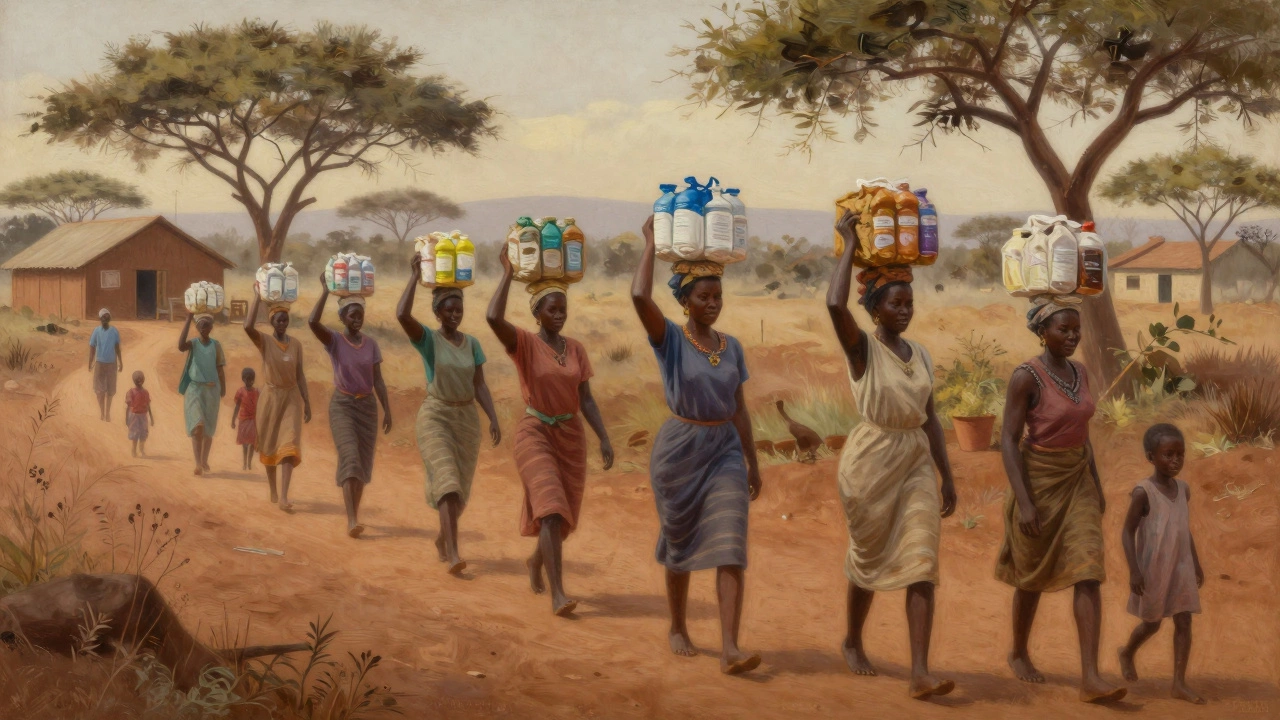
Behind every statistic was a woman. A mother. A nurse. A church volunteer. In rural villages, women walked miles to collect medicine, then carried it back to neighbors too sick to move. They organized support groups in kitchens and under trees. They taught other women how to test themselves, how to talk to their partners, how to say no to unsafe sex. These women didn’t get medals. They didn’t appear on CNN. But they were the real architects of the turnaround.
Mandela understood this. He didn’t just appoint ministers - he listened to them. He met with women’s groups in his home. He asked them what they needed. And then he acted.
Why This Matters Today
Today, HIV is no longer a death sentence. But the fight isn’t over. Stigma still kills. Access is still uneven. In some places, young people still don’t know how they got infected - because no one ever taught them. In others, the drugs are there, but the trust isn’t. The lesson from Mandela’s era is simple: technology alone doesn’t save lives. Culture does.
When a community believes it’s safe to speak up, when a teenager feels comfortable asking for a condom, when a father doesn’t fear being shamed for getting tested - that’s when progress sticks.

The Cost of Silence - Then and Now
Look at the current global response to monkeypox, or the lingering stigma around hepatitis C, or the way mental health is still treated as a private shame. The same patterns are repeating. Leaders wait for perfect data. Media waits for viral moments. Communities wait for permission to speak.
Mandela didn’t wait. He knew that in a crisis, the most dangerous thing isn’t the disease - it’s the silence around it.
There’s a moment in the documentary Madiba: The President Who Changed the World where Mandela, at 82, sits with a group of teenagers in Soweto. One girl asks him, "Why did you speak up when no one else would?" He looks at her and says, "Because someone had to. And if not me, then who?"
That question still hangs in the air.
What We Can Do Now
You don’t need to be a president to carry Mandela’s legacy. You can start by talking openly about health in your family. You can volunteer with a local HIV support group. You can challenge myths when you hear them - even if it’s just at dinner. You can donate to organizations that train community health workers in low-income countries. You can demand that your government fund prevention programs, not just treatment.
And if you’re in a position of influence - as a teacher, a doctor, a manager, a parent - use it. Ask: "Who’s being left out?" Then make space for them.
That’s what Mandela did. Not with grand gestures. But with quiet, relentless, human acts.
Today, in Paris, a woman might search for escort pariis not for pleasure, but because she’s lonely - because she’s been told her condition makes her unlovable. The same silence that once surrounded AIDS still clings to too many people. Mandela showed us how to break it. The question now is: will we?
And if you’re looking for a way to help, remember: the most powerful tool you have isn’t money or fame. It’s your voice. Use it.
Because in the end, the legacy of Nelson Mandela isn’t in statues or speeches. It’s in the lives he made it safe to live.
And that’s a legacy worth continuing.
Meanwhile, in some corners of the internet, a search for escor girl paris still surfaces - not as a joke, not as a curiosity, but as a quiet cry for connection in a world that still struggles to see the whole person.